Landscape Design and Tree Maintenance for Your Backyard Oasis

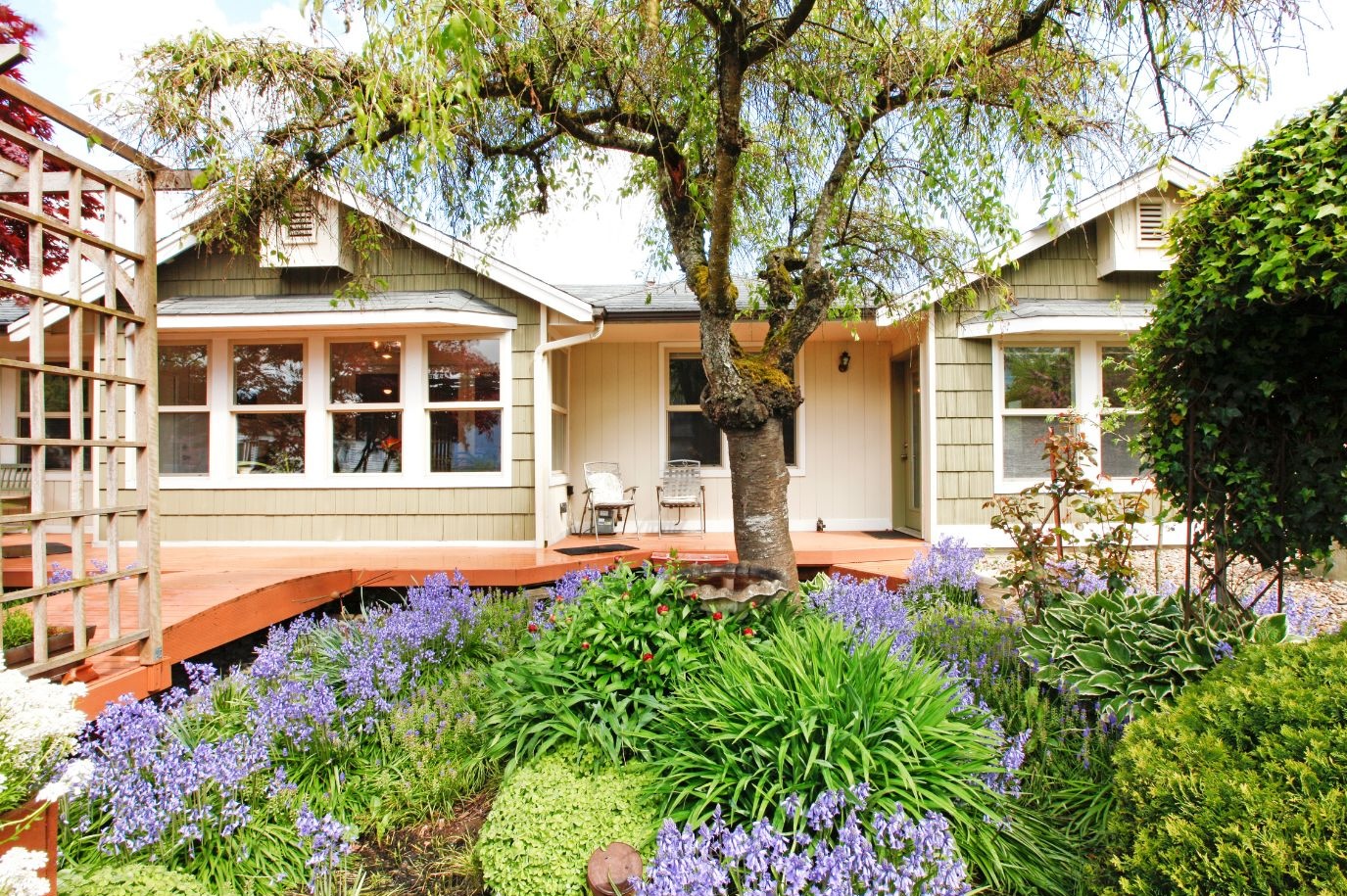
Landscape design of a your backyard that combines functionality, aesthetic appeal, and a “wow factor” involves a careful balance of creativity and practicality. The ultimate goal is to create an outdoor space that serves as an extension of the home, providing areas for relaxation, entertainment, and natural beauty while maintaining harmony with the surrounding environment.

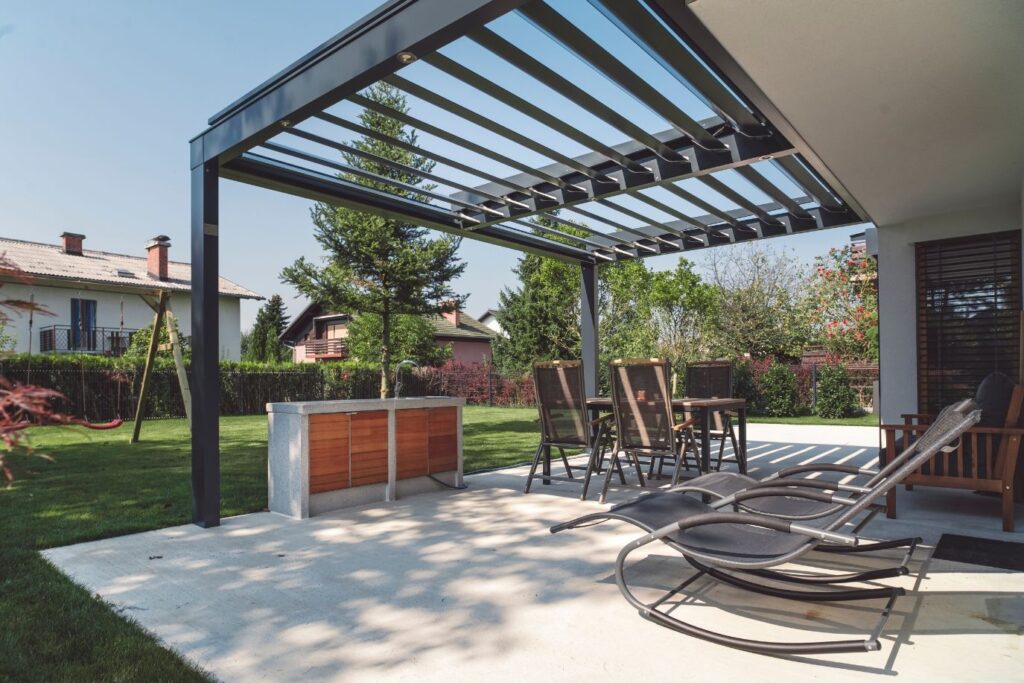
A landscape architect will suggest you divide the backyard into distinct zones can enhance its functionality. One recommendation from South Shore Tree Service Experts in Hingham, MA, is to start by creating separate areas for dining, lounging, gardening, and play to ensure that every family member has a space tailored to their needs. For example, a cozy seating area with weather-resistant furniture can serve as the heart of the backyard, perfect for hosting gatherings or enjoying quiet evenings. While adding features such as a fire pit or an outdoor kitchen not only elevates the design but also provides practical benefits for entertaining guests. And pathways lined with plants or gravel can guide visitors through the yard, seamlessly connecting different areas while adding visual interest.

Incorporating elements of nature is essential for achieving a beautiful design. A mix of trees, shrubs, flowers, and ground cover can create layers of texture and color that change with the seasons. Using vertical gardens or trellises is especially effective in smaller backyards in order to maximize greenery without compromising space. Fruit trees and herb gardens add a unique touch that can provide both beauty and functionality. Additionally, a butterfly garden featuring native plants for your climate zone can attract pollinators while promoting biodiversity.

The “wow factor” often lies in focal points that draw attention and make the space memorable. This could be a water feature like a fountain or pond, a pergola adorned with climbing vines, or even creative lighting that transforms the yard into an enchanting retreat at night. However, achieving this impact requires careful planning to avoid overloading the design with too many competing elements. Striking a balance between simplicity and sophistication ensures that the backyard remains inviting rather than overwhelming.

An often-overlooked aspect of landscape design is tree maintenance. Mature trees are invaluable assets to any backyard, providing shade, privacy, and aesthetic appeal. However, they require regular pruning to remain healthy and safe. Proper pruning removes dead or diseased branches while encouraging strong growth and maintaining the tree’s shape. It also reduces risks during storms by thinning out dense crowns that might otherwise catch wind and topple over. Hiring a certified arborist ensures that pruning is done correctly without causing unnecessary stress to the tree.

In some cases, tree removal may be necessary to optimize the backyard’s design or safety, according to the expert tree service in the South Shore of Massachusetts we spoke with. Trees that are diseased beyond recovery or whose roots threaten foundations and utility lines should be removed to prevent further damage. If a tree obstructs sunlight in key areas of the yard or poses a hazard due to its proximity to structures, its removal can open up new possibilities for landscaping while enhancing safety.

Designing a backyard is about creating a harmonious space where form meets function. Thoughtful planning ensures that every element, from seating arrangements to plant selections, contributes to an overall vision that reflects the homeowner’s lifestyle while respecting nature’s role in the landscape. By combining meticulous design with proper tree care, homeowners can transform their backyards into stunning sanctuaries that inspire awe and provide lasting enjoyment.
Detached Garages: Critical to Use a Quality Builder

Detached garages are a popular choice among homeowners looking to add space, value, and functionality to their properties. A garage, especially a detached garage, plays an important part in the overall landscape design of a yard. A well designed and constructed garage provides an elegant backdrop, and many times is integrated into the design of the yard’s landscaping.

While the benefits of having a garage are numerous, it is critical to ensure that the project is completed to the highest standards. Therefore, selecting an experienced and quality detached garage builder is essential when constructing your important project.

Many homeowners need additional storage space, a workshop, or simply a safe place to park their vehicles. A detached garage can fulfill all of these needs and more, such as providing elements to hang flowers or vines.

Attached vs Detached Garage

  • Unlike attached garages, detached garages provide homeowners with more flexibility in terms of placement and design.
  • Attached garages tend to be more expensive to build because they require connecting to the existing structure of the house. This limitation also means that there are only certain parts of the house where an attached garage can be added, and the flow of the house must make sense for this attachment.
  • Additionally, the garage needs to have adjacent space next to the house for construction and be easily accessible from the driveway. These factors can make building an attached garage complex and costly.
  • On the other hand, detached garages offer more freedom in terms of placement on the property.
  • Detached garages do not require attachment to the house, reducing costs and allowing homeowners to position the garage in the most convenient and practical location. This freedom allows homeowners to customize the design and layout of the detached garage to suit their specific needs and preferences.
  • Detached garages can be better integrated into the overall landscape design plan, since the location is not predetermined like an attached garage.

Importance of a General Contractor

Choosing a general contractor to build a detached garage can be overwhelming for many homeowners who have never undertaken a project of this scale on their property. This is where Realtors can be invaluable resources. Realtors are well-versed in working with builders and construction professionals and can provide valuable insights and recommendations when it comes to selecting a quality general contractor. With their knowledge of the local market and experience in real estate transactions, Realtors can help homeowners navigate the process of finding a reputable builder for their detached garage project.

The importance of using a quality general contractor to build a detached garage cannot be overstated. Building a garage is a significant investment, and it is essential to ensure that the project is executed properly and efficiently. A reputable builder will use quality materials and employ skilled labor to create a structurally sound and visually appealing garage that meets the homeowner’s needs and expectations. Additionally, a good builder will address any issues that may arise during the construction process promptly and professionally, ensuring that the project stays on track and within budget.

When it comes to building a detached garage, selecting a quality general contractor is crucial for a successful outcome. The expertise and guidance of a realtor can be instrumental in helping homeowners find a reputable builder for their project. By working with a skilled and experienced contractor, homeowners can be confident that their detached garage will be built to the highest standards, adding value and functionality to their property for years to come.

Why Your Landscaping Project Needs a Land Surveyor

When it comes to starting a landscaping project, having a land survey done might not be the first thing that comes to mind. However, it is a crucial step that can save you time, money, and headaches in the long run. In this article, we will explore the reasons why landscaping projects need a land surveyor, the types of projects that require a land survey, and the importance of a land survey for property owners, landscape architects, and contractors.

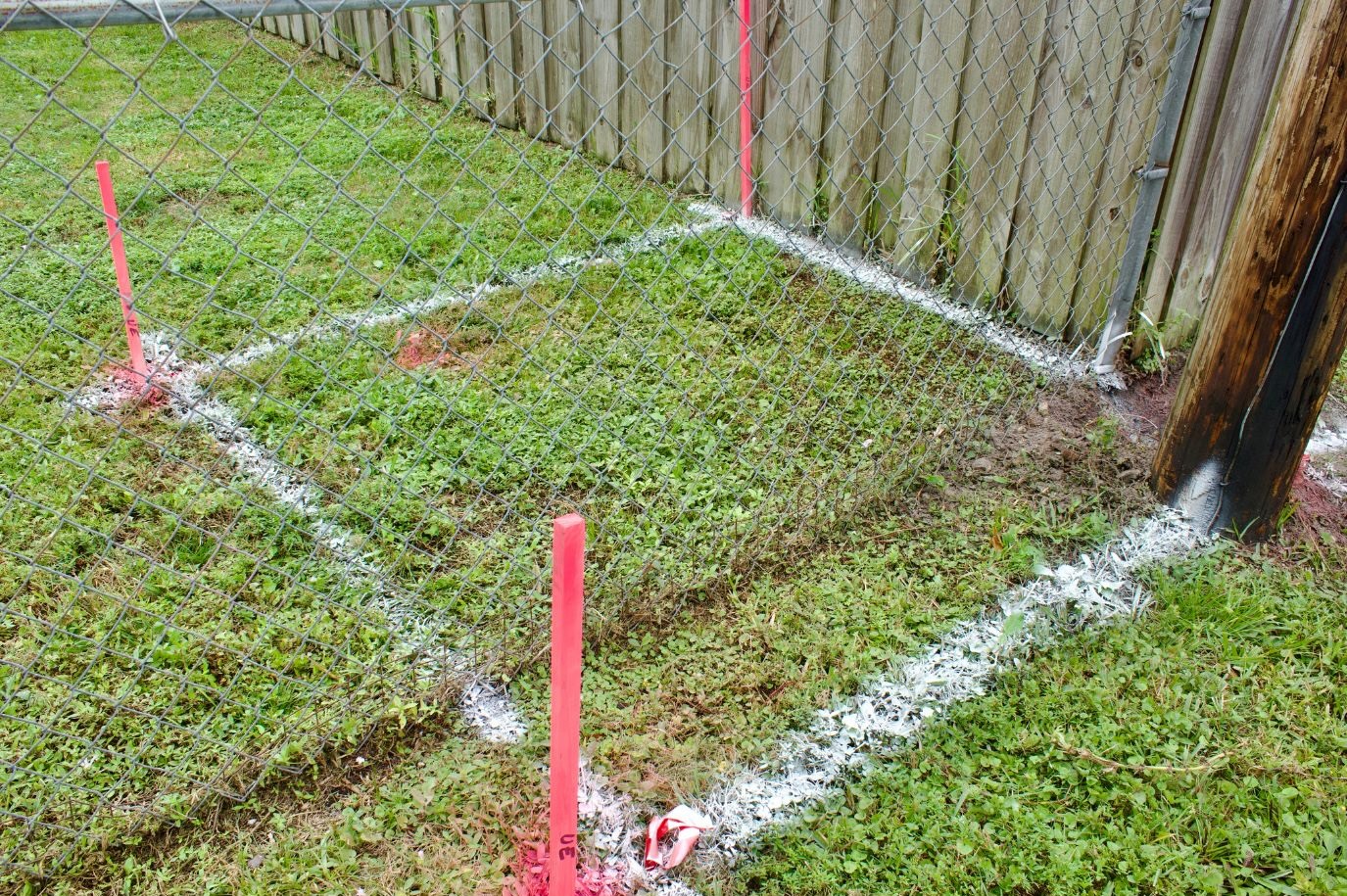
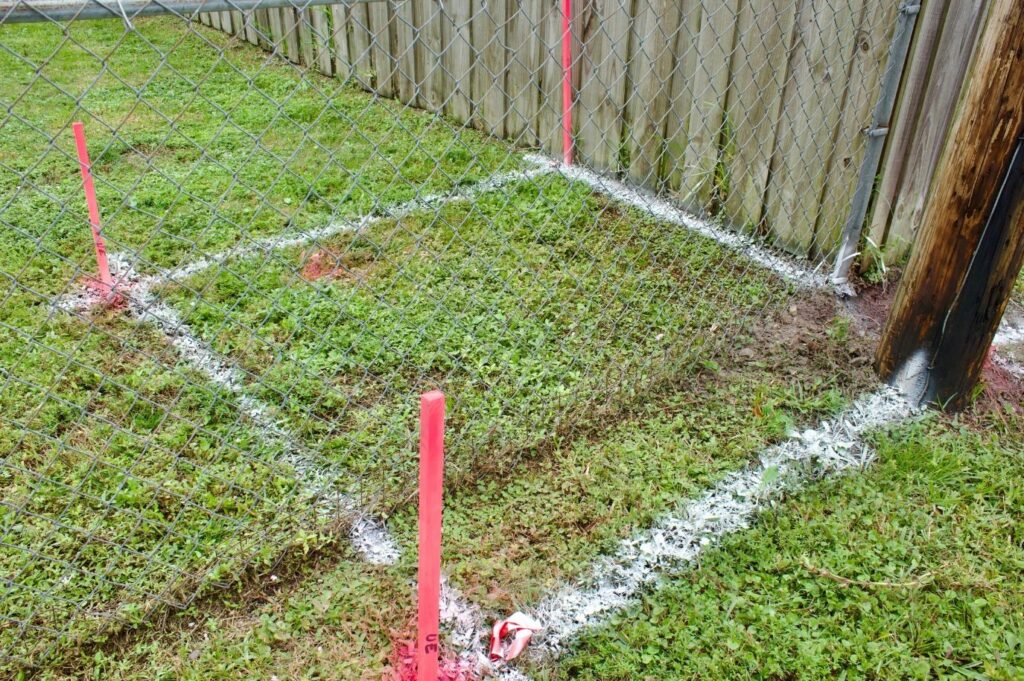
According to San Diego Land Surveyors, surveyors play a vital role in major landscaping projects as they are responsible for determining the boundaries and mapping the topography of a property, especially in Southern California. Land surveyors utilize public records, survey markers on the property, and advanced technology equipment to create an accurate survey. It is common for people to assume that a fence or wall between their neighbor’s property marks the property line, but only a surveyor can accurately map where the actual property line is located.

For property owners, a land survey is essential as it provides clarity on property lines and helps them visualize what they can do with their backyard space. Understanding the boundaries of their property allows owners to plan and execute landscaping projects with confidence, knowing that they are within legal limits.

For landscape architects and designers, a land survey is equally important as it provides crucial information on property lines and topography. This knowledge helps them design hardscape elements within legal constraints and ensures that their designs are feasible based on the property’s layout. Understanding the topography of the land can also inspire unique design ideas and solutions that make the most of the space available.

Similarly, for landscape contractors, a land survey is a valuable tool that shows them where they are legally allowed to build and how much grading of the topography may be necessary. By following the information provided in the survey, contractors can avoid costly mistakes and ensure that their work complies with local regulations.

When it comes to landscaping projects that require a land survey, various types can benefit from this service. Projects such as installing a new fence, adding a swimming pool, constructing a patio, or designing a garden all involve alterations to the land that necessitate an accurate understanding of the property boundaries and topography. By having a land survey done before beginning these projects, homeowners can save themselves from potential disputes with neighbors and ensure that their plans align with local zoning laws.

In conclusion, a land survey is a crucial step in any landscaping project that involves changes to the property’s layout or topography. By enlisting the help of a land surveyor, property owners, landscape architects, and contractors can ensure that their projects are planned and executed accurately, within legal boundaries, and with minimal risk of setbacks. Whether you are considering a small backyard renovation or a large-scale landscaping project, investing in a land survey upfront can save you time, money, and stress in the long run.

Illuminating Beauty: Enhancing Your Yard Design with Outdoor Lighting

When it comes to designing a beautiful and functional yard, outdoor lighting often takes a backseat to plants, trees, and other landscaping features. However, outdoor lighting plays a crucial role in enhancing the overall design of your yard. Not only does it add elegance and charm, but it also increases the functionality and security of your outdoor space. In this article, we will explore the value that outdoor lighting provides to yard design and how it can transform your outdoor space into a magical oasis.

One of the key benefits of incorporating outdoor lighting into your yard design is that it allows spaces to be used in the evening and night. Many homeowners spend their evenings indoors because their outdoor space is not well-lit or inviting. By strategically placing lights around your yard, you can create a warm and welcoming atmosphere that encourages you and your guests to spend more time outside. Whether you’re hosting a backyard barbecue, enjoying a quiet evening under the stars, or simply reading a book on your patio, outdoor lighting can enhance the ambiance and make your outdoor space more enjoyable.

Besides increasing usability, outdoor lighting also beautifies the landscaping in your yard. Just as indoor lighting can highlight artwork and furniture, outdoor lighting can showcase your carefully curated plants, trees, and hardscape features. By illuminating key elements of your yard, such as a beautiful garden bed or a majestic tree, you can create visual interest and draw attention to the unique features of your outdoor space. Lighting can also create depth and dimension in your yard, adding a touch of drama and sophistication to your landscaping design.

Furthermore, outdoor lighting provides safety and security for your home and family. Well-lit outdoor spaces are less inviting to potential intruders and can deter crime on your property. Path lights, spotlights, and motion-activated lights can illuminate dark corners and shadowy areas, making it easier to navigate your yard and deter unwanted visitors. Additionally, outdoor lighting can help prevent trips and falls by illuminating potential hazards, such as steps, pathways, and changes in elevation. By enhancing visibility and promoting safety, outdoor lighting contributes to the overall well-being and security of your home.

Outdoor lighting is a valuable addition to yard design that can elevate the beauty, functionality, and security of your outdoor space. By illuminating your yard, you can create a warm and inviting atmosphere that encourages you and your guests to spend more time outside. Lighting can also enhance the visual appeal of your landscaping, highlighting key elements and creating depth and dimension in your yard. Furthermore, outdoor lighting provides safety and security for your home, deterring intruders and preventing accidents in the dark. Whether you’re looking to enhance the ambiance of your backyard or increase the security of your property, outdoor lighting is a versatile and easy-to-incorporate feature that offers a multitude of benefits. So, next time you’re designing your yard, don’t forget to consider the value that outdoor lighting can bring to your outdoor space. Illuminate your yard and watch as it transforms into a magical oasis that you and your family can enjoy for years to come.

Landscaping for Fire Safety: Creating a Defensible Space

As wildfires become an increasing concern across the globe, homeowners need to take steps to protect their properties. One crucial aspect of fire safety is landscaping, specifically known as “defensible landscaping.” This practice involves designing and maintaining your yard in a way that creates a barrier against wildfires and prevents the spread of fires from the house to the surrounding wild areas.

Defensible landscaping serves as a protective shield around your home, acting as a buffer zone that can help deter wildfires from approaching. It also plays a significant role in preventing house fires from spreading to the nearby vegetation. So, what does defensible landscaping look like, and how can it be implemented?

Design

The design of the landscape is paramount when creating a defensible space. Fuel breaks around the perimeter of the home should be incorporated using hardscape materials like gravel and stones. Within approximately 30 feet of the house, shrubs and shorter trees with reasonable separation should be planted. These plants should be low in sap, have rough bark, and ideally be native to the area. Additionally, tree limbs need to be trimmed back away from the house to prevent fire from spreading.

As you move further out, around 70 feet from the home, trees should be spaced out to reduce fire spread. Lower tree limbs must be removed to eliminate the potential for a “fire ladder” effect. Wood piles should be placed at least 30 feet away from the house, and fire-resistant materials like gravel and stone pathways should be incorporated into the landscape design. It’s also crucial to ensure that this area is well-irrigated to prevent the vegetation from becoming dry and susceptible to fire.

Maintenance

Regular landscape maintenance is key to ensuring the effectiveness of defensible landscaping. Dead leaves, branches, and other debris can serve as fuel for fires, so it’s essential to mow, prune, and trim the vegetation regularly. Cleaning gutters to remove any debris that may have blown in from trees is also important. Dead trees and plants should be removed promptly, and the yard should be kept free of any debris that could potentially ignite during a fire.

Home Interior

Aside from exterior precautions, it is equally important to implement fire safety measures inside the home. Installing fire alarms to provide early warning in case of a fire, along with fire suppression systems like sprinklers, can significantly reduce the risk of damage. Having fire protection items such as fire extinguishers readily available can also aid in containing small fires before they escalate. Ensuring that there is a clear and accessible way out of the house from every room is crucial for a safe evacuation in the event of a fire.

Protecting your home from wildfires requires a comprehensive approach that includes both interior and exterior fire safety measures. By implementing defensible landscaping practices, homeowners can create a barrier that can help safeguard their properties from the devastating effects of wildfires. Remember, creating a defensible space is not only about protecting your home but also about ensuring the safety of your family and surrounding communities. Stay safe, stay prepared, and prioritize fire safety in your landscaping efforts.

The Green Investment: How Landscaping Affects Property Appraised Value

When it comes to determining the value of a home, there are several key factors that appraisers consider. These include the lot size, square footage of living space, location, and recent sale prices of comparable homes nearby. However, other elements can significantly impact the appraised value, one of which is landscaping. In this article, we will delve into the importance of landscaping and how it can enhance the value of a property.

Curb Appeal

One of the most evident ways in which landscaping can impact the appraised value of a property is through curb appeal. Curb appeal is the property’s attractiveness as viewed from the street. This includes elements such as a well-manicured lawn, colorful flower beds, and neatly trimmed shrubs. Curb appeal plays a crucial role in the marketability of a home and can influence potential buyers’ perception of the property’s value.

Enhanced Outdoor Usable Living Space

Landscaping goes beyond just enhancing the visual appeal of a property; it can also extend the usable living space outdoors. By incorporating features such as patios, porches, pergolas, fire pits, and even pools and pool decks, homeowners can create additional areas for relaxation and entertainment. These outdoor amenities not only enhance the lifestyle of the residents but also increase the overall value of the property.

Intrinsic Privacy and Security

Another valuable aspect of landscaping is the privacy and security it can provide to a property. Strategically placed trees and shrubs can create natural barriers that shield the home from neighboring properties and the street. This sense of privacy is a sought-after feature for many homeowners and can significantly add to the perceived value of the property. Additionally, well-designed landscaping can also enhance the security of a home by deterring intruders and enhancing visibility from the inside.

Energy Efficiency

Landscaping alongside aesthetic and functional benefits can also contribute to the energy efficiency of a home. Trees and shrubs strategically planted around the property can provide shade during hot summer months, reducing the need for air conditioning. Likewise, they can act as windbreaks during colder seasons, helping to lower heating costs. The long-term savings on energy bills not only make the home more sustainable but also increase its overall value in the eyes of potential buyers.

Landscaping plays a significant role in determining the appraised value of a property. Beyond just enhancing the visual appeal of a home, landscaping offers a multitude of benefits that can positively impact its overall worth. From increasing curb appeal to providing additional usable living space, improving privacy and security, and boosting energy efficiency, landscaping is a worthwhile investment for homeowners looking to maximize the value of their property. So, the next time you consider home improvements, don’t underestimate the power of a well-designed landscape in increasing your home’s appraised value.